
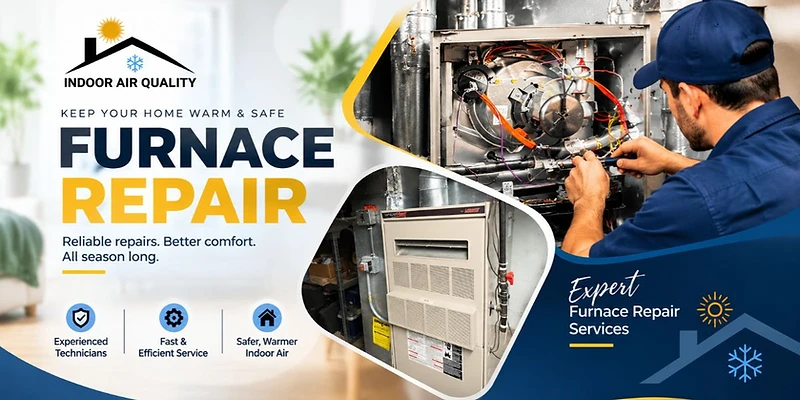
The Ultimate Guide to Furnace Repair in Des Plaines, IL
As winter approaches, a malfunctioning furnace can leave homeowners shivering. Reliable heating is essential in Des Plaines, IL, where cold, snowy winters make a properly functioning heating system a necessity. Proactive maintenance and timely furnace repair in Des Plaines, IL can help homeowners address heating issues before temperatures drop further. In this guide, we’ll explore common furnace problems, simple troubleshooting tips, and when to call a professional to help keep your home warm, comfortable, and safe throughout the winter.
Common Signs You Need Furnace Repair in Des Plaines, IL
Watch for these warning signs in your Des Plaines home’s heating system:
-
Cold air from the vents: If your vents are blowing cold air instead of heat, first check the thermostat and air filter. Furnaces in Des Plaines often blow cold air when the thermostat is set incorrectly or the filter is clogged. Make sure the thermostat is on “heat” and replace any dirty filters – a clogged filter can choke off airflow and prevent the furnace from heating properly.
-
Ignition or fuel issues: For gas furnaces, a pilot light that won’t stay lit or a closed fuel valve will stop heat production. Follow the manufacturer’s instructions to safely relight the pilot if it’s out. If the igniter or gas controls are faulty, the furnace may need professional repair.
-
Frequent cycling: A furnace that turns on and off repeatedly (short cycling) may have thermostat problems, airflow restrictions, or control board faults. Repeated short cycling wears components faster, so note if your furnace behaves this way and get it checked.
-
Unusual noises: Grinding, rattling or squealing sounds from your furnace often indicate mechanical problems. For example, a failing blower motor bearing might make grinding noises and reduce airflow. Persistent weird sounds are a clear sign that a technician should inspect the unit.
-
Tripped breakers or switch trips: If your furnace won’t start, check for tripped circuit breakers or blown fuses. Also, limit switches (safety switches) may trip if the furnace is overheating or detecting a fault. Frequent trips of a safety switch mean something serious is wrong – don’t ignore these shutdowns.
-
Burning smells or yellow pilot flame: A persistent burning smell, smoke, or a yellow (instead of blue) burner flame can signal incomplete combustion. EPA guidance warns that malfunctioning fuel-burning appliances produce carbon monoxide, and “hundreds of people die accidentally every year” from appliance malfunctions. If you notice any strange odors or flame color, stop using the furnace and call a professional immediately.
Any of these symptoms warrants attention. Noticing them early (in fall rather than mid-winter) gives you more options to repair or replace components on your schedule, avoiding emergency breakdowns in freezing weather.
Need a hand with this?
Our team can take it from here
Our technicians answer 24/7 and same-day service is available across Des Plaines and the surrounding suburbs.
DIY Furnace Maintenance Tips to Prevent Repairs
Regular homeowner checks can help your heating system run efficiently and reduce the risk of unexpected breakdowns. Before scheduling furnace repair in Des Plaines, IL, try these basic maintenance steps and always follow your furnace manufacturer's instructions:
-
Replace the air filter regularly: A clean filter helps maintain proper airflow. Use the correct filter size and replace it every 1–3 months, or more frequently during heavy use, as recommended by the manufacturer.
-
Keep vents and returns clear: Ensure furniture, curtains, and debris do not block vents or return grilles. Good airflow helps distribute heat evenly and reduces unnecessary strain on your furnace.
-
Check thermostat settings: Make sure the thermostat is set to heating mode and the desired temperature is higher than the current room temperature. Replace batteries if needed.
-
Inspect the ignition system safely: If your furnace fails to start, consult the manufacturer's instructions. Avoid attempting repairs to gas components or electronic ignition systems yourself.
-
Check power and breakers: Confirm that the furnace switch is on and the circuit breaker has not tripped. If a breaker trips repeatedly, contact a qualified technician.
-
Note unusual symptoms: Record strange noises, frequent cycling, or inconsistent heating. These details can help an HVAC professional diagnose the problem more efficiently.
These simple checks may resolve minor issues, but persistent problems require professional attention. For safety, never attempt repairs involving gas lines, internal wiring, or other hazardous components yourself.
When to Call Professional Furnace Repair in Des Plaines, IL
Some problems require a trained HVAC technician. As a rule, call a professional if you ever smell gas, see a carbon monoxide alarm, or your furnace has internal malfunctions you can’t fix safely. Specifically:
-
DIY fixes: Homeowners can do simple tasks such as replacing filters, adjusting the thermostat, clearing vents, and resetting the power. These safe checks (like making sure the thermostat is on “heat” and filters are clean) can restore normal operation in many cases.
-
Call a pro: Always contact a licensed technician if there are electrical or combustion issues, or if safety alarms sound. EPA and industry experts stress never to ignore a carbon monoxide alarm or gas smell. For example, if a CO alarm goes off or you feel dizzy/headache near the furnace, get everyone outside and call 911 immediately. Likewise, a persistent gas odor means evacuate the house and call the gas company or emergency services right away. A normal service appointment won’t address an active gas leak – these are emergencies.
In short, DIY maintenance is fine for filters, vents, and thermostat checks. But anything involving gas, igniters, burners, or safety controls should be handled by a qualified technician. Trying to bypass safety switches or adjust gas pressure on your own is extremely dangerous.
Pre-Season Furnace Tune-Ups and Costs
Preventive maintenance is key. Annual service visits can catch most furnace problems before they become emergencies. HVAC experts recommend scheduling a full furnace tune-up in the fall, when technicians can examine the system while it’s inactive. A typical professional tune-up involves cleaning the burners and heat exchanger, testing ignition and safety controls, and verifying airflow through the blower. According to industry sources, catching issues in advance means you can order parts and plan repairs on your schedule – rather than waiting for a sudden breakdown in January.
Key maintenance tasks you or your HVAC contractor should perform:
-
Annual professional inspection: Have a certified HVAC technician inspect and service your furnace each year. A fall checkup can reveal a weak igniter, clogged condensate trap (on high-efficiency units), a failing blower, or other wear. Identifying these issues early can prevent costly emergency repairs.
-
Regular filter changes: As noted above, replacing filters every 1–3 months is inexpensive but effective. Using the correct filter matters; a thicker filter isn’t automatically better if the system can’t handle it. Mark the filter replacement date on a calendar so you don’t forget.
-
Clear the area: Keep at least a few feet of clearance around the furnace. Remove stored items or clutter so the technician can easily access the equipment. Good clearance and clean surroundings help with ventilation and avoid fire hazards.
-
Check and seal air leaks: Inspect ducts, windows, doors, and attic insulation. A well-maintained furnace can only heat effectively if heat loss is minimized. (For instance, fixing drafts or insulating helps your furnace work less overtime.)
Regarding cost, furnace repair prices vary widely by job. Routine tune-ups may cost a few hundred dollars, while replacing a major component (like a heat exchanger) can run into the thousands. Keep in mind that emergency repairs in winter often incur extra charges. Emergency service usually costs more than planned maintenance – but the exact difference depends on the specific problem. Regardless of cost, investing in a pre-winter tune-up and regular upkeep tends to save money by improving efficiency and avoiding urgent breakdowns.
Safety Tips for Furnace Operation
Safety should always come first with heating systems:
-
Carbon monoxide (CO) safety: CO is an invisible, odorless gas produced by fuel-burning appliances. Install CO detectors on every level of your home (and replace batteries regularly). The EPA warns that “hundreds of people die accidentally every year” from fuel appliance malfunctions, so take alarms seriously. If a CO alarm sounds, or anyone in the home feels severe headaches, dizziness or nausea while the furnace runs, evacuate immediately and call 911. Never re-enter until it’s declared safe.
-
Gas leak protocol: If you smell gas, leave the house at once (don’t flip switches or open the furnace cover). From outside, call 911 or the gas utility. Under no circumstances should you assume a maintenance visit will fix a gas leak. Calling a technician is too late in that situation – immediate evacuation and emergency response are required.
-
Ventilation and clearance: Make sure the furnace vents and flues are unobstructed. Clear the area around the furnace of flammable materials. A blocked exhaust or intake can cause dangerous combustion by-products to back up into your home.
-
Recognize alarm signs: Besides electronic alarms, watch for visual signs of CO risk: soot or scorch marks near the furnace, or a flame color that’s not clear blue (yellow or orange flame can indicate a problem). If anything looks wrong, turn off the furnace and call for service.
Having working smoke and CO detectors is crucial. Follow the manufacturers’ instructions for placement and testing. Remember, a detector is not a substitute for proper maintenance – it’s the last line of defense.
Choosing a Reliable Furnace Repair Service in Des Plaines, IL
When you need professional help, picking the right HVAC company is important. Here are some tips for finding a trustworthy furnace repair service in Des Plaines, IL:
-
Local experience: Choose a contractor that serves Des Plaines and the surrounding suburbs. Technicians familiar with Chicago-area winters will know how to handle the local climate’s demands.
-
Licensing and insurance: Verify that the company and technicians are properly licensed. In Illinois, HVAC professionals must be licensed by the state. Also make sure they carry liability insurance to protect your home and property.
-
Certifications and training: Look for affiliations with recognized organizations (NATE certification, Manufacturer training, etc.), which indicate a higher level of expertise.
-
Read reviews: Check online reviews or ask neighbors and friends for recommendations. Consistent positive feedback about reliability and quality service is a good sign.
-
Written estimates and warranties: Get a detailed written quote before any work starts. Ask about guarantees on both parts and labor. A reputable furnace repair service will stand by their work and explain warranty terms upfront.
-
Emergency availability: Since furnaces can fail anytime in winter, consider a company that offers 24/7 emergency service. Knowing help is available on short notice brings peace of mind.
In summary, go with a local, experienced HVAC contractor who understands Des Plaines homes and weather. Feel free to ask questions and verify credentials; a professional company will gladly explain their qualifications and the steps they’ll take to fix your furnace.
Expert Furnace Repair Help in Des Plaines, IL
A reliable furnace is essential for Des Plaines winters. By watching for warning signs, performing basic maintenance, and scheduling regular tune-ups, you can minimize breakdowns. But when it’s time for repair, don’t hesitate to call the professionals. Skilled technicians can safely diagnose complex issues and restore your heating quickly.
If you need furnace repair in Des Plaines, IL, our local HVAC experts are ready to help. We offer prompt, 24/7 service and know exactly what it takes to keep your home warm and safe all winter long. Call (224) 415-5334 any time — our team is available 24/7 for service and emergency repairs.
Ready when you are
Let our team take it from here
Our technicians answer 24/7 and same-day service is available across Des Plaines and the surrounding suburbs.

Written by
The IAQ Pros Team
Licensed, insured HVAC and indoor air quality technicians serving Des Plaines and the northwest Chicago suburbs — available 24 hours a day, 365 days a year.
Keep reading

Weak Airflow? Your Furnace Filter Could Be Part of the Problem!
Some rooms colder than others? A clogged furnace filter could be restricting your heating system’s airflow.
 Furnace & Heating
Why Is My Furnace Not Turning On? A Guide for Mount Prospect Homeowners
Is your heat out? Learn common reasons your furnace isn't working and when it is time to call for professional furnace repair in Mount Prospect, IL.

Is Your Furnace Ready for the Cold Days Ahead? Furnace Maintenance in Des Plaines, IL
Strange noises, uneven heating, or longer cycles? A pre-season furnace maintenance inspection keeps you ready for the cold.