
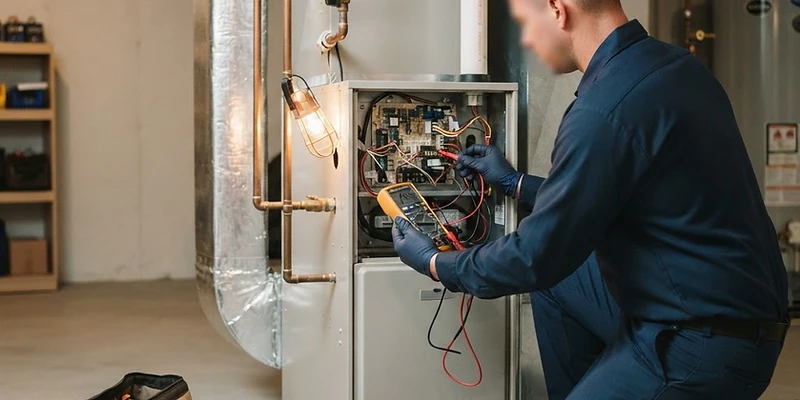
Furnace Repair in Des Plaines, IL: Keeping Your Home Warm and Safe
Living in the Chicago suburbs, Des Plaines residents rely on their home furnaces to battle long, cold winters. A well-maintained furnace ensures comfort, safety, and energy efficiency all season. If reliable furnace repair In Des Plaines, IL is essential: without it, minor issues (like a dirty filter or pilot light failure) can lead to complete breakdowns, higher utility bills, or even safety hazards like carbon monoxide leaks. A skilled HVAC technician will accurately diagnose problems (ignitors, flame sensors, thermostats, etc.) and fix them using quality parts. With winter temperatures often dropping below freezing, prompt furnace repair in Des Plaines, IL keeps your home warm and protects your family’s health.
Residents should watch for warning signs and call a trusted local repair service as soon as a problem arises. Indoor Air Quality LLC (The IAQ Pros) is a Des Plaines HVAC specialist that emphasizes clear communication and no “junk” repairs – you’ll receive an upfront estimate and honest advice before any work begins. Plus, we’re available 24/7, 365 days a year for emergency heating repairs. Below is a comprehensive guide to help Des Plaines homeowners understand common furnace issues, what to expect from repairs, and how to keep your heating system running safely and efficiently.
Common Furnace Problems in Des Plaines, IL
Des Plaines furnaces endure hard use and harsh weather, so a variety of issues can crop up. Some common causes of furnace breakdowns include:
-
Dirty or Clogged Filters: Restricted airflow forces the blower motor to work harder, causing uneven heating or short cycling. Change or clean filters every 1–3 months.
-
Ignition/Pilot Failures: A furnace that won’t ignite or produces cold air may have a faulty ignitor, pilot light, or gas valve. These are frequent service calls.
-
Thermostat Malfunctions: Incorrect settings or a broken thermostat can prevent heat. Always check that your thermostat is set above room temperature and on “heat” mode first.
-
Blower Motor Problems: If airflow is weak or stopped entirely, the blower motor (or belts) might be failing. We’ll inspect motor operation and lubrication.
-
Flame Sensor or Heat Exchanger Issues: A dirty or failing flame sensor can cause the furnace to shut off unexpectedly. A cracked heat exchanger is very serious (risking carbon monoxide) and requires immediate repair or replacement.
-
Electrical and Wiring Faults: Loose connections or burned-out relays/control boards can cause intermittent or total failure of furnace functions. Technicians test all electrical components for safety.
-
Ductwork or Vent Blockages: Sometimes the problem isn’t the furnace itself but air ducts. Blocked or leaky ducts cause uneven heating and inefficiency; proper airflow is essential.
Our certified technicians perform a thorough furnace diagnostic to pinpoint the exact cause—whether it’s a bad ignitor, a cracked heat exchanger, a dirty flame sensor, or something else. We fix the underlying issue so you won’t keep having the same problem. In Des Plaines, IL this means we also make sure all repairs meet local codes and safety standards. You’ll always receive a transparent quote before work begins, with no surprises.
Need a hand with this?
Our team can take it from here
Our technicians answer 24/7 and same-day service is available across Des Plaines and the surrounding suburbs.
Signs You Need Furnace Repair in Des Plaines, IL
Don’t wait for a total breakdown. Call for furnace service immediately if you notice any of these warning signs in your Des Plaines home:
-
No Heat or Cold Air: If your furnace is blowing cold air or not turning on at all, there’s a serious issue (ignitor/pilot failure, gas valve issue, etc.). This is an urgent repair. Homeowners often first notice cold rooms or a non-working system.
-
Frequent Cycling: A furnace that turns on and off rapidly (short-cycling) usually signals a malfunction, airflow problem, or incorrect sizing. Short cycling wears out the system and should be fixed ASAP.
-
Unusual Noises: Any loud bangs, rattles, squeals or hisses are not normal. These noises often indicate mechanical wear or loose components. For example, a loose blower wheel might cause rattling, or a failing motor can screech. Strange sounds mean “call for service”.
-
Rising Energy Bills: If you see a significant jump in heating costs without heavier use of the furnace, your system may be losing efficiency due to wear or a hidden problem. Dirty components or duct leaks can raise bills.
-
Uneven Heating / Cold Spots: Some rooms staying too cold while others are warm suggests airflow or circulation issues (blocked vents, duct leaks, or failing blower).
-
Furnace Cycling On/Off: Besides short cycling, if the system keeps shutting off completely or won’t stay on, it needs inspection. Causes range from tripped limit switches to flame sensor faults.
-
Unpleasant Odors: Persistent burning, musty, or foul smells from your vents are a warning sign. In particular, a sulfurous or gas smell could indicate a dangerous gas leak – if you detect it, leave immediately and call 911. Otherwise, get the furnace checked.
-
Visible Issues: Any signs of rust, water leaks around the unit, or a red flame (instead of blue) should prompt an immediate check by a pro.
Early repairs save money and keep you safe. For example, fixing a cracked heat exchanger (a common safety hazard) immediately prevents carbon monoxide leaks. In a year-round service area like Des Plaines, having a local HVAC team on call can restore heat quickly and safely, often on the same day you call.
What to Expect from Professional Furnace Repair in Des Plaines, IL
When you schedule furnace repair in Des Plaines, IL, a qualified technician will typically:
-
Ask Questions & Diagnose: We’ll begin by listening to what you’ve observed (noises, error codes, etc.) and then inspect your furnace. Using diagnostic tools, we pinpoint the exact cause of the problem.
-
Explain Options: We’ll clearly explain what’s wrong, what repairs are needed, and any alternatives (repair vs. replace) before doing any work.
-
Provide Upfront Estimate: You’ll get a transparent quote for parts and labor before we start. We never perform or recommend any repair that isn’t necessary. If a repair isn’t cost-effective, we’ll advise you honestly (for example, if your furnace is old and inefficient, a replacement might be better).
-
Perform Repairs Safely: Our technicians will fix the issue using professional-quality replacement parts. We follow all safety protocols—checking gas pressure, ensuring proper venting, testing carbon monoxide levels, and calibrating the thermostat so the system runs safely and efficiently afterwards.
-
Test and Demonstrate: After repair, we’ll test your furnace through a full heating cycle. We make sure every component runs properly and ask if you have questions about the system’s operation.
-
Recommend Preventive Care: Finally, we often give tips on regular maintenance (like filter changes or yearly tune-ups) to help prevent future problems.
Many repairs can be completed in a single visit, especially if our trucks carry the needed parts. Complex issues or rare parts might require a follow-up visit, but we’ll set expectations once we diagnose the problem. In any case, you’ll know the timeline before we leave. And if you have an emergency (no heat on a frigid night), a full-service Des Plaines HVAC company like ours will make repairs around the clock.
DIY Furnace Troubleshooting vs. Professional Repair in Des Plaines, IL
Homeowners can safely handle a few basic furnace checks, but most repairs should be left to professionals:
-
What You Can Check: First, make sure the thermostat is set correctly (to “Heat” and above room temperature). Check that the circuit breaker hasn’t tripped and that the furnace switch (if it has one) is on. Inspect the air filter – replace it if it’s dirty, since a clogged filter can cause many problems. For older pilot-light furnaces, ensure the pilot is lit. These simple steps often resolve minor heating issues.
-
When to Call a Pro: Beyond basic checks, furnaces involve gas, electricity, and combustion – things that can be dangerous without proper training. Any signs of gas smell or carbon monoxide (CO) alarm require immediately shutting off the furnace, evacuating, and calling emergency services. If your checks didn’t fix it, or if the issue is inside the furnace (ignitor, heat exchanger, motors, sensors, etc.), call a licensed technician. In Illinois, HVAC technicians are regulated to ensure safety and code compliance. Professionals also know local regulations (e.g. proper venting and CO detector placement).
Attempting DIY repairs can void warranties, risk safety, and sometimes cause more damage. For example, working on a gas furnace without certifying safety shutoffs or re-lighting procedures can be hazardous. It’s best to use an expert. Our Des Plaines team is certified, trained on all major furnace brands, and follows strict safety protocols. We perform every repair to meet local code, giving you confidence that the work is done correctly.
Choosing a Reliable Furnace Repair Service in Des Plaines, IL
When selecting a furnace repair company in Des Plaines, consider these factors:
-
Licensing & Insurance: Ensure the contractor is licensed for HVAC work in Illinois and carries insurance. This protects you if something goes wrong during repair.
-
Experience and Training: Look for NATE- or manufacturer-certified technicians who have worked on your furnace’s make/model. Experienced techs can diagnose issues faster and fix them right.
-
Local Reputation: Check online reviews or ask neighbors for recommendations. A reputable Des Plaines service (like a local BBB-accredited business) will have positive feedback and a track record of reliable work.
-
Transparent Pricing: Beware of “bait-and-switch” deals. The IAQ Pros, for example, guarantees upfront, honest pricing with no hidden fees.
-
Emergency Service: Since furnaces can fail at any time, it’s valuable to hire a service that offers 24/7 emergency repair. (As noted, IAQ Pros techs are on call day or night.)
-
Warranties: Ask if repairs and parts come with a warranty. Quality companies often provide guarantees for both.
Taking a few minutes to vet your furnace repair service saves headache later. In Des Plaines, choosing a locally-based HVAC contractor means they’re familiar with common regional issues (like how Chicago-area winters stress systems) and can respond quickly.
Preventive Maintenance Tips for Des Plaines Homeowners
Regular furnace maintenance keeps repair needs to a minimum and extends the life of your system. To help your furnace last through harsh Illinois winters, follow these best practices:
-
Annual Professional Tune-Up: Schedule a heating inspection every fall (before heavy use). A qualified technician will clean burners, check the heat exchanger for cracks, calibrate controls, and tighten electrical connections. Industry experts recommend annual service to catch problems early and maintain efficiency. In fact, most furnace manufacturers and the Department of Energy advise yearly maintenance to maximize lifespan and performance.
-
Regular Filter Changes: Replace or clean your air filter every 1–3 months (more often if you have pets or dusty conditions). A clean filter keeps airflow strong and reduces strain on the blower motor. According to HVAC pros, following the recommended filter schedule is a critical step in extending furnace life.
-
Keep Vents Clear: Make sure all supply and return vents are free of furniture, curtains, or debris. Blocked vents force your furnace to work harder and can cause uneven heating.
-
Maintain Surroundings: Keep the area around the furnace clear of clutter or flammable materials. Ensure the outside intake vents and exhaust are unobstructed by leaves or snow.
-
Check Thermostat Settings: Set your thermostat to about 68°F in winter for a balance of comfort and efficiency (as recommended by the U.S. DOE). You can lower it a few degrees at night or when away. Install a programmable thermostat if you don’t have one – it can reduce wear by reducing runtime when full heating isn’t needed.
-
Test Carbon Monoxide Detectors: If your furnace is gas-fired, have CO alarms installed near sleeping areas and test them monthly. Carbon monoxide is odorless and deadly, so detectors are a vital safety backup in case of a fuel combustion issue.
-
Watch and Listen: At the start of each heating season, run your furnace through a heat cycle to listen for new sounds and check that it warms all rooms. Noticing a small issue now can prevent a breakdown in midwinter.
Following these tips can significantly reduce emergency repair calls. Consistent maintenance helps furnaces reach their full 15–20 year lifespan. As Carrier notes, diligent annual service and filter changes are what allow a high-quality furnace to last up to 30 years. In contrast, neglect often forces premature replacement.
When to Repair vs. Replace Your Furnace
Sometimes it’s more cost-effective to replace an old furnace than to keep repairing it. Use these guidelines:
-
Age of Furnace: If your furnace is under 10 years old and has been regularly maintained, repair is usually worthwhile. Most furnaces last about 15–20 years. Once it approaches 15 years, consider replacement. Carrier experts say it’s wise to start researching new furnaces around the 15-year mark.
-
Frequency of Breakdowns: If you find yourself calling for repairs frequently (year after year), those costs add up. A rule of thumb is if a single repair would cost more than half the price of a new high-efficiency furnace, replacement may be a better investment.
-
Cost of Repair: Minor fixes (ignitors, sensors, belts) are inexpensive and likely justified. But major failures (cracked heat exchanger, motor burnout, compressor failure) can run into the thousands. If a repair bill is very high and the furnace is old, replacing often makes sense.
-
Efficiency Gains: New furnaces can be much more efficient (AFUE ratings into the high 90s) compared to an older 60–80% unit. The improved energy savings can offset part of the replacement cost over time.
-
Safety Considerations: If there’s a serious safety issue (like a cracked heat exchanger leaking CO), replacement is usually safer and more cost-effective than repeated repairs.
Ultimately, a qualified technician can help you weigh repair vs. replace by considering efficiency, reliability, and long-term cost. In many cases, if repairs are becoming routine and the furnace is beyond middle-age, getting a new system ensures comfort and safety for years to come.
Frequently Asked Questions
How often should I have my furnace inspected?
Annually, before winter, is the standard recommendation. A yearly safety and performance inspection by a professional keeps your furnace running smoothly and can catch small issues before they become big problems. A certified technician will test for gas leaks, check carbon monoxide levels, clean heat exchangers and burners, inspect the blower motor, and ensure everything is in working order. Even though it might be an extra expense each year, regular tune-ups save money in the long run by improving efficiency and extending the life of your furnace.
What should I do if my furnace is running but not heating the house?
First, check simple things: ensure the thermostat is on “Heat” and set above room temperature. Verify the circuit breaker and furnace switch are on. Replace a dirty air filter if needed. For older furnaces, confirm the pilot light is lit. If it still isn’t blowing warm air, common causes include a dirty filter, a bad thermostat, a faulty pilot or ignitor, or a malfunctioning flame sensor. These issues typically require professional repair. Our technicians can diagnose why the heat isn’t coming out and fix it safely.
What should I do if I smell gas or carbon monoxide?
Leave your home immediately and call 911 or your gas company from outside. Do not turn the furnace back on. As soon as it’s safe, call a qualified technician. Natural gas leaks and carbon monoxide are very dangerous. One HVAC expert advises: “If you smell gas or a carbon monoxide alarm goes off, turn the furnace off, get to fresh air, and contact emergency services and your HVAC company”. Safety first – it’s critical to handle gas and CO risks with urgency.
How much does furnace repair cost in Des Plaines, IL?
Costs vary widely depending on the problem. Minor fixes (like replacing a capacitor, blower motor belt, or sensor) often range from $100–$300. More complex repairs (like replacing a blower motor, heat exchanger, or circuit board) can run $500–$1000 or more. Our team provides a written estimate before any work, so you’ll know the price upfront. We won’t perform unnecessary services – if a repair isn’t a good investment, we’ll let you know. For an exact quote, call a Des Plaines HVAC specialist to diagnose your specific issue.
How quickly can furnace repairs be done?
Many common repairs can be completed in a single visit, especially if replacement parts are on-hand. For example, replacing a sensor or cleaning a burner can often be done immediately. If your furnace needs a special-order part or extensive work, it might take longer, but your technician will inform you of the timeline once the problem is diagnosed. We strive to get your heat back on as quickly as possible without cutting corners.
Do you offer emergency furnace repair?
Yes. We understand that no heat in freezing weather is an emergency. Our local Des Plaines technicians are available 24/7, every day of the year. You can call us any time (even nights and weekends), and we’ll respond promptly to restore your heating. As our site notes, “We’re available 24/7, 365 days a year” for exactly this reason.
How do I decide between repairing or replacing my furnace?
Consider the age and condition of your furnace. If it’s approaching 15–20 years old or has major issues, replacement might be more economical. Frequent breakdowns or a very expensive repair can tip the balance toward a new unit. On the other hand, if your furnace is relatively new and the problem is minor, a repair is usually the best choice. A pro can help you weigh factors like energy efficiency gains, warranty, and long-term cost.
What is included in a professional furnace tune-up?
During a tune-up (maintenance visit), a technician will thoroughly clean and inspect your furnace. This typically includes: cleaning and tuning burners, inspecting and lubricating motors and fans, checking the heat exchanger for cracks, testing safety controls, inspecting the flue and venting, tightening electrical connections, and verifying thermostat accuracy. They will also change or check the air filter and measure system airflow. Annual tune-ups ensure your furnace runs safely and at peak efficiency.
We hope this guide helps you feel more confident about furnace repair in Des Plaines, IL and understand when professional service may be necessary. A properly maintained furnace can do more than keep your home comfortable—it can also contribute to better Indoor Air Quality by helping your heating system operate efficiently and reducing the circulation of dust and other airborne particles. If you notice unusual noises, uneven heating, rising energy bills, or other signs of furnace trouble, our certified team is ready to provide prompt, honest, and professional service. We’re committed to helping keep your heating system reliable, your home comfortable, and your indoor environment safe throughout the colder months.
Ready when you are
Let our team take it from here
Our technicians answer 24/7 and same-day service is available across Des Plaines and the surrounding suburbs.

Written by
The IAQ Pros Team
Licensed, insured HVAC and indoor air quality technicians serving Des Plaines and the northwest Chicago suburbs — available 24 hours a day, 365 days a year.
Keep reading
The Ultimate Guide to Furnace Repair in Des Plaines, IL
Furnace problems rarely fix themselves. This guide covers the warning signs Des Plaines homeowners should not ignore, safe maintenance checks, safety essentials, and how to choose a reliable local HVAC professional.

Weak Airflow? Your Furnace Filter Could Be Part of the Problem!
Some rooms colder than others? A clogged furnace filter could be restricting your heating system’s airflow.

 Furnace & Heating
Why Is My Furnace Not Turning On? A Guide for Mount Prospect Homeowners
Is your heat out? Learn common reasons your furnace isn't working and when it is time to call for professional furnace repair in Mount Prospect, IL.